Why Peanut Butter is the Handwritten Font Your Projects Are Craving
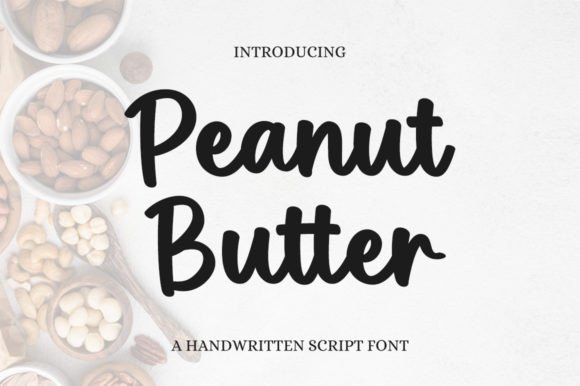
There’s a certain warmth to the name itself, isn’t there? Peanut Butter. It evokes comfort, richness, and a certain satisfying smoothness. The font lives up to that name in the most elegant way. It’s a delicate, flowing script that avoids the chaotic, overly casual look of many handwritten fonts. Instead, Peanut Butter offers a balanced, refined character set that feels both personal and polished. Each letter connects with a natural, rhythmic grace, creating a visual texture that’s as inviting as a handwritten note from a friend.
This isn't just another decorative typeface. As a premium font, its construction is thoughtful. The characters are well-balanced, meaning the weight and spacing feel consistent and intentional, even with its organic, hand-lettered style. This careful design is what elevates it from a simple script font to a versatile design asset. It’s PUA encoded, a technical detail that translates to real creative freedom for you. This means every glyph, swash, and stylistic alternate is easily accessible, allowing you to fine-tune the look of headlines, logos, or monograms with a simple click, no advanced software skills required.
Where This Font Truly Shines: Real-World Applications
Understanding a font’s personality is one thing; knowing where to deploy it is where the real strategy comes in. Peanut Butter’s elegant flair makes it a natural fit for projects that aim to connect on a personal, emotional level. Think about brand identity for boutique businesses. A bakery, a wedding planner, a bespoke stationer, or a high-end florist could use Peanut Butter for their logo and primary display font. It instantly communicates craftsmanship, care, and a human touch, setting a tone that a rigid sans serif font simply cannot.
Beyond logos, its applications in packaging design are vast. Imagine it gracing the label of artisanal jam, craft coffee, or organic skincare products. It adds a layer of perceived quality and authenticity. In editorial design, it can transform a magazine cover, chapter headings in a cookbook, or pull quotes in a lifestyle blog, adding visual interest and breaking up dense blocks of text. For social media graphics, it’s a powerhouse. Instagram quotes, Pinterest pins, and Facebook event headers gain immediate personality and stop-the-scroll appeal. It’s a creative font that makes digital content feel more tactile and engaging.
The Subtle Power of Choice: Readability and Brand Perception
Choosing a font like Peanut Butter is a strategic decision that influences how your audience perceives and interacts with your content. Its flowing nature creates a strong visual hierarchy. Used for headlines or key phrases, it draws the eye and establishes a focal point, guiding the reader through your layout. This is crucial in both web design and print, where you need to communicate key messages quickly and beautifully.
However, this strength also requires thoughtful application. As a handwritten font, its readability diminishes significantly at smaller sizes or in large, dense paragraphs. This is where font pairing becomes essential. Peanut Butter works exceptionally well alongside a clean, simple serif font or a neutral sans serif font. Use the script for impactful headlines and short, expressive text, then rely on your paired typeface for body copy and longer descriptions. This contrast ensures your design remains professional and easy to read, while still benefiting from Peanut Butter’s unique charm. It’s a balance that speaks volumes about your brand’s attention to detail and professionalism.
A Practical Guide to Using Peanut Butter Effectively
Ready to integrate this typeface into your toolkit? Start by evaluating its fit for your specific project. Ask yourself: does the project call for warmth, elegance, and a personal touch? Is the primary use for display text rather than body copy? If you’re designing a tech startup’s annual report, it might not be the right choice. But for a yoga studio’s website, a blogger’s media kit, or a small business’s thank-you cards, it could be perfect.
Before committing, test it rigorously. Pair it with fonts you already use in your brand system. See how it looks at various sizes in your designs. Explore the included glyphs and swashes—these are your tools for customization. A well-placed swash can turn a simple word into a logo. For any commercial project, confirm you have the correct commercial font license. Using a font correctly isn’t just about legality; it’s about respecting the craft that went into creating it.
Ultimately, Peanut Butter is more than a modern typography trend. It’s a versatile, emotion-driven tool. It won’t be the workhorse for every project, but when applied with intention—to elevate a brand, enrich a publication, or captivate an audience—it proves its value as an indispensable part of a designer’s or creator’s asset library. It’s the perfect example of how the right typeface can do more than convey words; it can shape an entire experience.