Architoria: A Vintage Blackletter for Modern Branding
The Distinctive Character of Architoria
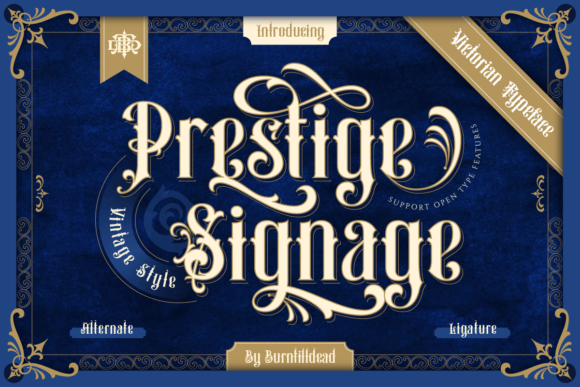
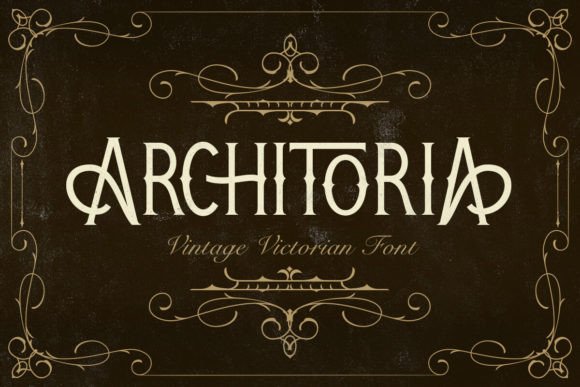
When a project calls for a sense of history, tradition, or artisan craftsmanship, the choice of typeface is paramount. You need a font that doesn't just sit on the page but tells a story. This is where Architoria enters the conversation. It’s a blackletter display font, but it’s crafted with a specific vintage Victorian sensibility that sets it apart from purely medieval or Old English styles. Think less about ancient manuscripts and more about the intricate, ornamental typography of the 19th century—the kind you’d see on a patent application, a brewer’s label, or an elegant piece of correspondence.
Visually, Architoria is a study in structured elegance. Its letterforms are built from bold, vertical strokes with sharp, chiseled serifs, creating a strong and authoritative presence. The real personality comes from the ornate flourishes and the interplay between thick and thin lines. It has a certain weight and gravity, yet the decorative elements prevent it from feeling heavy or oppressive. This is a premium font designed for impact, where the beauty is in the details—each letter feels like a considered piece of design. It’s a creative font that bridges the gap between historical reference and contemporary application, offering a vintage aesthetic without feeling dated.
Where Architoria Truly Shines: Practical Applications
Understanding a font's personality is one thing; knowing where to deploy it is the real skill. Architoria isn't a workhorse for body copy; its intricate details are best showcased at larger sizes. This makes it a quintessential display font, perfect for grabbing attention and establishing a mood instantly. Its strengths lie in projects where first impressions and brand perception are critical.
For logo design, especially for brands in the craft, heritage, or luxury sectors, Architoria is a powerful tool. Imagine it forming the wordmark for a microbrewery, a bespoke tailor, a specialty coffee roaster, or a high-end chocolatier. The font immediately communicates a narrative of tradition, quality, and handcrafted care. It helps build a brand identity that feels established and trustworthy, even for a new business. Similarly, in packaging design, it can transform a simple label into a statement piece, suggesting the product inside is something special and worth savoring.
Beyond branding, its applications in print and digital are equally compelling. In editorial design, a magazine feature on historical architecture or a book cover for a gothic novel would benefit from Architoria's dramatic flair. For poster design, concert announcements, or event invitations, it provides an unmistakable vintage Victorian tone. Even in the digital realm, when used judiciously for headers on a website or for impactful social media graphics, it can stop the scroll and create a memorable visual anchor. The key is using it for headlines, logos, and short, impactful text where its detailed character can be fully appreciated.
Making Architoria Work: A Designer's Guide
Choosing a font like Architoria is just the first step. Integrating it effectively requires a thoughtful approach to ensure it enhances, rather than hinders, your project's goals. The most critical factor is readability. As a blackletter style, its primary function is display and ornamentation, not long-form reading. Using it for a paragraph of text would quickly become tiring for the reader. Reserve it for titles, subheadings, and pull quotes where its impact is maximized.
This leads directly to the art of font pairing. Architoria demands a complementary partner that provides clear contrast and legibility for supporting text. A clean, simple sans serif font is often a perfect match, creating a modern typographic hierarchy that lets the headline shine while ensuring the body copy is easy to digest. Alternatively, a classic, highly readable serif font can create a more traditional and cohesive aesthetic. Avoid pairing it with other highly decorative fonts like a script font or a bold handwritten font, as they will compete for attention and create visual chaos. The goal is balance: let Architoria be the star, supported by a capable and understated cast.
Before committing, always review the full character set and any included styles. Does it have the numerals, punctuation, and special characters you need? Are there alternate versions or stylistic sets that could add another layer of customization? Finally, consider the licensing. If your project is commercial—like a client's logo, a product for sale, or monetized content—you must ensure you have the appropriate commercial font license. Using a design asset like Architoria correctly means respecting its licensing terms, which is a fundamental part of professional practice. By evaluating its fit, testing your pairings, and understanding the license, you can harness the full potential of this distinctive typeface to create work that is both beautiful and strategically sound.