Dear Heart: A Romantic Handwritten Font for Elevated Designs
There’s a certain kind of project that demands a personal touch. You know the one—it needs to feel intimate, authentic, and connected. Maybe it's a wedding invitation, a heartfelt thank-you note, or branding for a small business that sells handcrafted goods. In these moments, a standard serif or sans serif font can feel too rigid, too corporate. That's where a typeface like Dear Heart steps in, offering a solution that’s both elegant and deeply personal.
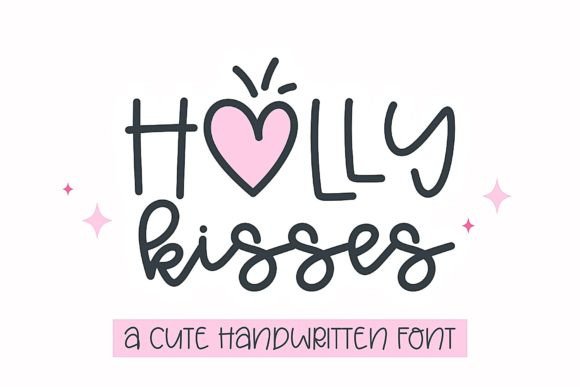
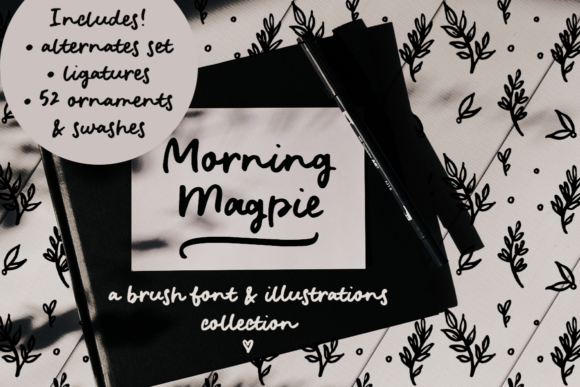
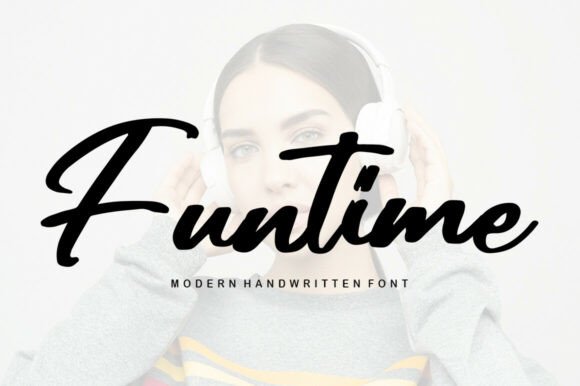
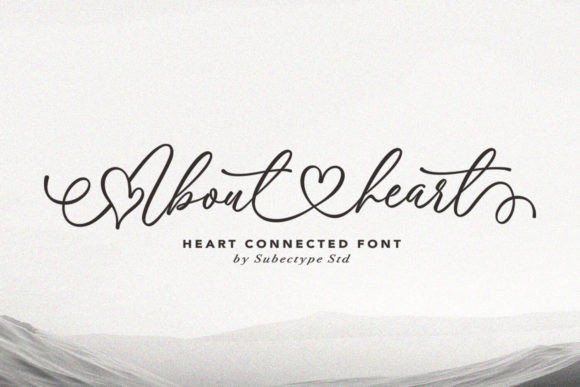
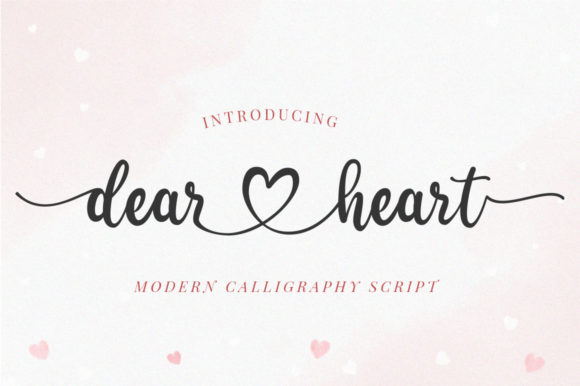
At its core, Dear Heart is a premium, romantic handwritten font. It captures the fluidity and slight imperfections of real penmanship, giving your text an organic, human quality. The letterforms are graceful, with flowing connections and a rhythm that mimics natural handwriting. It’s not a casual scrawl; it’s a refined script that carries a sense of warmth and sophistication. Think of it as the typographic equivalent of a beautifully penned love letter—thoughtful, stylish, and full of character.
Where This Creative Font Truly Shines
Understanding a font’s personality is one thing; knowing where to deploy it is another. Dear Heart excels in specific contexts where its romantic and elegant style can be fully appreciated. Its strength lies in projects that aim to evoke emotion, create a sense of luxury, or communicate directly and personally with an audience.
In the realm of brand identity, this typeface can be a game-changer for businesses in the wedding industry, boutique bakeries, florists, jewelry designers, or any service that centers on love, care, and craftsmanship. Using Dear Heart in a logo design or on packaging immediately signals a brand that values beauty and personal connection. It tells customers, "We put thought and heart into what we do."
For editorial design and publishing, it’s perfect for book covers in the romance genre, chapter headings, or pull quotes that need to stand out. A lifestyle blogger could use it for featured image text or email newsletter headers to add a personal, aspirational feel. In print design, its applications are vast: wedding suites, greeting cards, gift tags, and certificates all benefit from its elegant script. The font’s personality makes any printed piece feel like a keepsake.
Digital spaces are not left out. As a display font, Dear Heart works beautifully for website hero text, social media graphics, and digital invitations. Imagine an Instagram post for a Valentine’s Day promotion or a Pinterest pin for a DIY craft tutorial—the handwritten style is inherently engaging and scroll-stopping. Just remember, its intricate nature means it’s best used for headlines and short bursts of text rather than long paragraphs.
Making Dear Heart Work for You: Practical Guidance
Choosing a font is a design decision with real consequences. Here’s how to approach integrating Dear Heart into your projects effectively.
Evaluate the Project Fit. Does your project’s tone align with romance, elegance, and personal touch? If you’re designing a corporate annual report, Dear Heart is likely the wrong choice. But if you’re creating a menu for a romantic restaurant or a label for artisanal chocolates, it’s an excellent candidate. Always match the font’s personality to the project’s message.
Master the Art of Font Pairing. A script font like Dear Heart rarely works well alone for body copy. Its real power is unlocked through thoughtful pairing. For a balanced and readable design, pair it with a clean, simple serif font or a sans serif font. For example, use Dear Heart for a stunning headline, then set your supporting text in a font like Lora (serif) or Montserrat (sans serif). This creates a clear visual hierarchy, where the handwritten font draws the eye and the simpler font delivers the information without strain.
Leverage the Included Styles and Glyphs. One of the biggest practical advantages of Dear Heart is that it is PUA encoded. This means all the beautiful alternate characters, swashes, and ligatures are easily accessible, even in basic design software like Canva or Word. Don’t just type out the alphabet and call it done. Explore the glyph panel to find stylistic alternates for key letters—like a more elaborate ‘H’ for a monogram or a flowing ‘and’ symbol. These details are what elevate a design from good to exceptional.
Never Sacrifice Readability. This is a critical rule. While the flourishes are beautiful, ensure your final text is legible at its intended size. Test it at the scale it will be viewed. A common mistake is using a display font like this for small, critical information like a date, time, or address on an invitation. If it’s hard to read, the design fails. Use it strategically for impact, not for every single word.
Understand the Commercial License. If you’re a designer, entrepreneur, or creator using this font for client work or commercial products (like selling printed invitations or digital templates), you must ensure you have the proper commercial font license. This is a non-negotiable part of professional practice. The license that comes with your purchase will outline what is permissible, so review it carefully to avoid legal issues down the line.
The Takeaway: A Tool for Connection
In a world saturated with digital noise, a touch of human craftsmanship in design can make all the difference. Dear Heart is more than just a creative font; it’s a design asset that helps bridge the gap between a brand and its audience, or a message and its recipient. It’s about using modern typography to create something that feels timeless and genuine.
When used thoughtfully—paired wisely, applied to the right projects, and tested for clarity—it can significantly enhance audience engagement, reinforce brand perception, and add a layer of professionalism that comes from intentional design. It’s a valuable addition to any designer’s toolkit, a powerful branding tool for entrepreneurs, and a source of joy for hobbyists and crafters looking to add a special something to their personal projects.