The Gentle Art of Storytelling with the Short Story Font
There’s a certain magic in a handwritten note that a perfectly typed document can’t replicate. It carries warmth, personality, and an immediate sense of human touch. In the world of digital design, capturing that authentic feeling is a powerful tool. The Short Story font is a premium design asset built for exactly this purpose. It’s not just another script font; it’s a carefully crafted typeface where every letterform feels intentional, personal, and alive. As a designer or brand creator, choosing the right creative font is about finding a voice, and Short Story offers a voice that is both elegant and deeply relatable.
A Typeface with Character and Flow
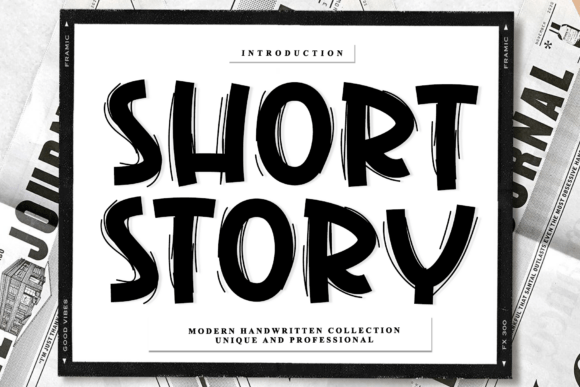
At its core, Short Story is a handwritten font with a distinctive, flowing personality. Its letters connect with a natural, organic rhythm, mimicking the slight variations and graceful curves of actual handwriting. This isn’t a rigid or overly stylized script; it strikes a beautiful balance. It feels personal enough for a heartfelt quote but polished enough for a professional brand identity. The overall appeal lies in its versatility—it can feel whimsical and romantic one moment, and clean and modern the next, depending on the context and color palette you apply.
This font’s strength is in its details. The subtle imperfections and varied stroke weights give it a tactile quality. When used in logo design, it immediately communicates approachability and craftsmanship. In editorial design, it can pull a reader into a more intimate narrative space. Think of a coffee shop’s menu, a wedding invitation, or the header of a lifestyle blog—Short Story provides that human element that makes a design feel less corporate and more like a conversation.
Where Short Story Truly Shines
Understanding where a font works best is key to using it effectively. Short Story excels in applications where personality and connection are paramount. It’s a standout choice for creating eye-catching social media graphics where stopping the scroll is essential. A motivational quote or a product announcement rendered in Short Story feels more personal and engaging than the same text in a standard sans serif font.
For entrepreneurs and small business owners, this font is a secret weapon for building a recognizable brand identity. It’s perfect for:
- Packaging design for artisanal goods, cosmetics, or boutique food products, where the font itself suggests care and quality.
- Web design elements like hero section quotes, call-to-action buttons, or founder’s messages that need to stand out.
- Print collateral such as business cards, thank-you notes, and promotional flyers that benefit from a touch of elegance.
For content creators, bloggers, and publishers, Short Story can elevate editorial design. Use it for chapter titles in a digital magazine, pull quotes in a long-form article, or as the primary font for a poetry collection. Its readability at larger sizes makes it ideal for these display purposes. However, it’s important to recognize its limits. As a script display font, it’s not designed for body text. Its intricate details would become a jumble at small sizes, harming readability. The smart approach is to pair it with a clean, legible serif or sans serif font for paragraphs.
Making the Font Work for Your Project
Choosing the right typeface is a strategic decision. Before integrating Short Story, evaluate your project’s goals. Is the primary aim to convey warmth, creativity, and a personal touch? If yes, it’s a strong candidate. If the project demands stark minimalism or ultra-modern sleekness, you might explore a different modern typography option.
Once you’ve chosen it, the real work of integration begins. A critical step is testing font pairing. Short Story’s flowing nature pairs beautifully with structured fonts. Try combining it with a geometric sans serif for a fresh, contemporary look, or with a classic serif for a more traditional, elegant feel. This contrast creates visual hierarchy, guiding the viewer’s eye from the headline to the supporting text.
Before finalizing, review the font’s full character set. Many premium fonts like Short Story include alternate characters, ligatures, and stylistic sets. These extras allow you to customize the look further, ensuring each letter combination feels unique and natural. For any commercial use, always verify the licensing terms. A proper commercial font license ensures you can legally use the asset across all your projects, from digital ads to printed merchandise, without risk.
Ultimately, the success of a design asset like the Short Story font lies in how it influences perception. It doesn’t just display words; it communicates a feeling. It can make a brand seem more trustworthy, a product more desirable, and a message more memorable. By applying it thoughtfully—respecting its strengths and pairing it wisely—you harness its ability to tell a compelling visual story that resonates deeply with your audience.