Bold Script: Mastering Vintage Design with This Script Font
There is a distinct warmth that comes with vintage typography, a certain authenticity that modern, sterile sans serif fonts often struggle to replicate. If you are looking to inject a sense of heritage, elegance, or handcrafted charm into your work, the typeface you choose acts as the voice of your design. Bold Script enters the creative landscape as a premium font designed specifically to bridge the gap between nostalgic aesthetics and contemporary digital requirements. It is not merely a collection of letters; it is a design asset that commands attention while maintaining a fluid, hand-lettered grace. For designers, entrepreneurs, and content creators, understanding how to leverage this specific style of script font can transform a standard layout into something truly memorable.
Defining the Aesthetic of Bold Script
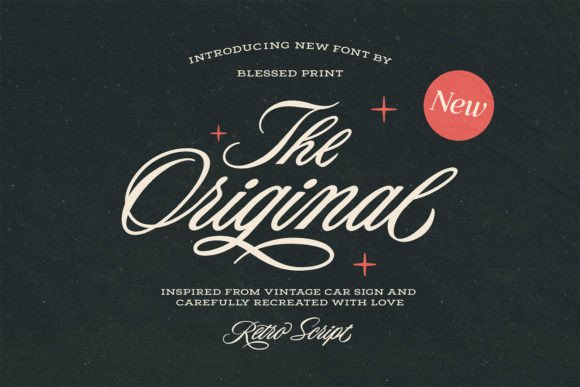
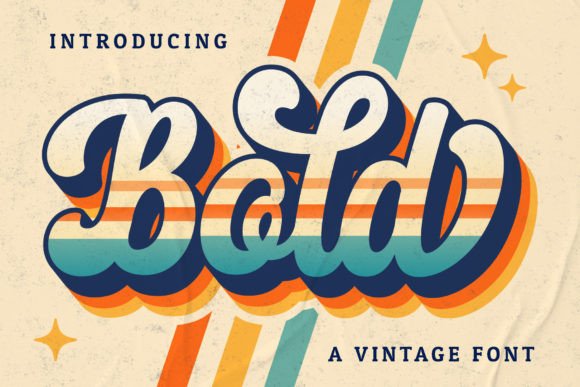
At its core, Bold Script is a display font that mimics the fluidity of cursive handwriting but with a visual weight that demands attention. Unlike delicate, thin scripts that can get lost in complex designs, this typeface features thick strokes and rounded terminals. This "bold" characteristic is what gives it a retro vibe, reminiscent of 1950s signage or classic vintage logos. The visual personality of the font is confident, playful, and approachable. It avoids the rigidity of geometric shapes, opting instead for organic curves that feel human-made.
When you examine the details, you will notice the font strikes a balance between high legibility and decorative flair. It is a creative font that doesn't sacrifice readability for the sake of style. The x-height is generous enough to ensure that lowercase letters remain distinct, which is crucial when using a handwritten font for body text or shorter headlines. However, its true strength lies in its ability to capture the "imperfect" charm of hand-lettering. It feels personal, as if a skilled sign painter just finished the stroke, making it an ideal choice for projects that need to establish an immediate emotional connection with the viewer.
Strategic Applications: Where Bold Script Shines
The versatility of a script font like Bold Script allows it to cross boundaries between personal projects and commercial branding. In the realm of logo design, it excels at creating a strong brand identity for businesses that want to appear established yet friendly. Think of a boutique coffee shop, a handmade soap brand, or a rustic wedding venue. Using this typeface for the primary wordmark instantly communicates a specific set of values—craftsmanship, care, and quality.
Beyond logos, the font is a powerhouse for packaging design. On a shelf crowded with sterile sans serif labels, a bold, vintage script can catch a shopper's eye from a distance. It works beautifully for product names on labels, particularly in the food, beverage, and beauty industries. For digital applications, social media graphics benefit immensely from this typeface. Instagram posts, Pinterest pins, and YouTube thumbnails require fonts that are readable at small sizes and visually striking at large sizes. Bold Script fulfills both criteria, making your content pop in a fast-scrolling feed.
Furthermore, consider its application in editorial design and publishing. While it is too dense for long-form body text, it is perfect for magazine headers, pull quotes, and chapter titles. It adds a layer of sophistication to print layouts that standard serif fonts might make feel too academic. For personal use, the applications are just as broad. Wedding invitations, greeting cards, and stationery sets often rely on script fonts to convey elegance. Because this specific font has a bolder weight, it ensures that your invitation text doesn't look fragile or washed out, even when printed on textured cardstock.
Technical Edge: The Power of PUA Encoding
A common frustration with decorative fonts is the lack of access to special characters. Many display fonts look great in the preview but offer limited glyphs, restricting your ability to customize the look of your text. This is where the technical specifications of Bold Script offer a significant advantage. The font is PUA (Private Use Areas) encoded. For the non-technical user, this simply means that every single glyph, swash, and stylistic alternate included by the designer is accessible to you, regardless of the software you are using.
You do not need to be a typography expert to use these features. Whether you are working in Adobe Illustrator, Photoshop, or even simpler platforms like Canva, PUA encoding ensures that you can copy and paste special characters directly. This allows for a high degree of customization. You can change the look of specific letters—perhaps adding a tail to a capital "T" or a flourish to a lowercase "y"—to create a truly unique logotype or header. This level of control is essential for professional typography, allowing you to fine-tune the kerning and ligatures to fit your specific layout needs perfectly.
Mastering Font Pairing and Visual Hierarchy
Using a bold script font effectively requires a strategic approach to font pairing. Because Bold Script has a strong personality and high visual density, pairing it with another loud or busy font will result in a cluttered, chaotic design. The golden rule of modern typography applies here: contrast is key. To let the script font shine as the hero of your design, you should pair it with a clean, neutral companion font.
A classic sans serif font is usually the best partner. Fonts like Montserrat, Lato, or Open Sans provide a clean, geometric counterpoint to the organic curves of the script. This creates a clear visual hierarchy, guiding the viewer's eye from the headline (the script) to the body copy (the sans serif). Alternatively, pairing it with a simple serif font can create a more traditional, editorial look, suitable for magazine layouts or book covers.
When establishing your layout, use Bold Script for high-impact elements only. This includes main headers, call-to-action buttons, or single-word highlights in a sentence. Avoid using it for paragraphs of text; script fonts are difficult to read in large blocks and can cause eye strain for your audience. By using it sparingly, you maximize its impact. For example, in a web design context, you might use the script font for the main "Welcome" headline on a landing page, but switch to a standard sans serif for the navigation menu and body descriptions. This ensures the site remains accessible and professional while retaining that vintage flair.
Practical Considerations for Commercial Use
If you are a small business owner or a professional designer, the licensing of a font is just as important as its style. Bold Script is a commercial font, meaning it is designed for professional use across various media. Before incorporating it into a client's brand identity or a mass-produced merchandise line, it is vital to review the license agreement. Most premium fonts allow for a wide range of uses—from digital ads to physical printed goods—but checking the specific terms ensures you are legally protected.
When evaluating if this font fits your project, consider your target audience. If your brand targets a younger, trendy demographic or a community that values heritage and craftsmanship, this vintage-style typeface is an excellent match. However, if your brand identity is strictly ultra-modern, minimalist, or corporate, a bold script might send the wrong message. It is always helpful to create mockups before finalizing a design. Place the text in your actual layout—on a business card, a website header, or a T-shirt mockup—to see how it interacts with your color palette and imagery.
Ultimately, Bold Script is more than just a font; it is a versatile design asset. It offers the perfect blend of nostalgic charm and digital functionality, backed by the technical reliability of PUA encoding. Whether you are crafting a logo, designing a wedding invitation, or creating a social media campaign, this typeface provides the tools you need to add a professional, handcrafted touch to any creative idea.