Rolling Delighting: A Sophisticated Script for Artisan Brands
In a world saturated with sleek sans serif fonts and rigid serif typefaces, there’s a growing demand for typography that feels human. We crave warmth, personality, and a sense of craftsmanship in our visual communication. This is precisely where a premium script font like Rolling Delighting finds its purpose. It’s not just another handwritten font; it’s a sophisticated tool designed to infuse projects with a distinct, rhythmic elegance that commands attention while feeling intimately personal.
Anatomy of Artisan Elegance
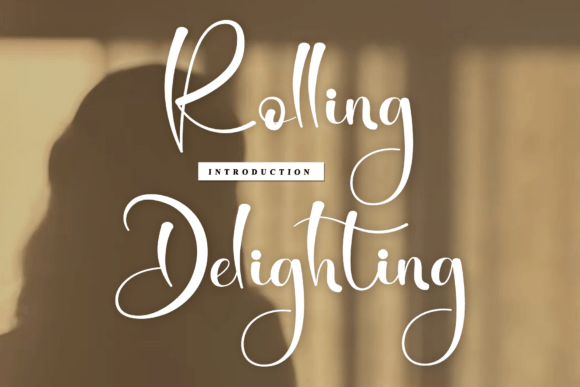
At its core, Rolling Delighting is a masterclass in balance. It successfully marries the fluid, expressive nature of calligraphy with a structured, readable foundation. The most striking feature is its sweeping, looping ascenders—the tall parts of letters like 'l', 'h', and 'k'. These aren't just decorative; they create a dynamic, forward-moving rhythm that feels both customized and effortlessly artful. The overall aesthetic is warm and organic, avoiding the stiff, digitized feel that can plague some script fonts. This typeface carries the personality of a skilled artisan, making it a natural fit for projects that value authenticity and a human touch.
Think of it as the typographic equivalent of a beautifully hand-lettered sign on a bakery window or the elegant script on a boutique tea label. It communicates care, quality, and a story behind the brand. For designers and brand strategists, understanding this personality is key. Rolling Delighting isn’t trying to be minimalist or ultra-modern in the geometric sense. Its strength lies in its ability to evoke tradition, warmth, and curated luxury.
Where Rolling Delighting Truly Shines: Practical Applications
The real value of any creative font is how it performs in the wild. Rolling Delighting excels in specific contexts where its character can enhance, rather than hinder, the message. Its primary domain is in display and headline settings, where its intricate details can be fully appreciated.
- Brand Identity & Logo Design: This is where the font can become the cornerstone of a visual identity. For artisan food brands—think craft coffee roasters, organic bakeries, or small-batch distilleries—Rolling Delighting can set the perfect tone. It works beautifully for a primary logo or as a secondary script font for taglines, instantly communicating an upscale, handmade ethos.
- Packaging Design: On physical products, typography is tactile. Rolling Delighting’s organic flow feels right at home on packaging for gourmet goods, boutique cosmetics, or luxury candles. It helps a product stand out on a shelf by promising a unique, crafted experience inside.
- Editorial & Publishing: In magazines, blogs, or book covers, especially within lifestyle, wedding, or culinary niches, this font can create stunning, memorable titles. It draws the reader in, setting an emotional tone before they even read the first paragraph of body copy.
- Marketing & Digital Presence: While not a body text font, it’s incredibly effective for social media graphics, email newsletter headers, and website hero sections. Using it for a headline in an Instagram post or a Pinterest pin can dramatically increase visual appeal and stop-the-scroll engagement.
The Strategic Impact on Perception and Readability
Choosing a typeface like Rolling Delighting is a strategic decision that influences how an audience perceives a brand. The right display font does more than look good; it shapes perception. The flowing, confident strokes of Rolling Delighting suggest a brand that is both established and approachable, premium yet personal. This can build immediate trust and recognition in markets where authenticity is a currency.
However, this comes with a critical responsibility: readability. As a script font, Rolling Delighting is designed for impact at larger sizes, not for setting long paragraphs. Its personality could become a barrier to comprehension if used for body text. The practical guidance here is simple: pair it wisely. A classic, neutral serif font or a clean sans serif font for body copy will provide the necessary contrast and ensure your message remains clear. This practice of font pairing is essential for creating a professional and functional visual hierarchy.
Integrating Rolling Delighting into Your Design Toolkit
If you’re considering adding Rolling Delighting to your library of design assets, approach it with a clear strategy. First, evaluate the project fit. Does the brand or project aim for a tone that is artisanal, elegant, warm, or luxurious? If you’re designing for a tech startup or a minimalist fitness brand, this likely isn’t the right choice. For a wedding planner, a boutique hotel, or a handmade jewelry shop, it could be perfect.
Next, test the font pairings early. Create mockups with your intended body font to see how they interact. The goal is harmony, not competition. Rolling Delighting should be the star of the show, supported by a quieter, highly readable counterpart.
Finally, always review the included styles and licensing. A quality premium font often comes with multiple weights, alternates, and ligatures that allow for customization. Ensure the commercial license covers your intended use, whether for client work, products for sale, or extensive digital campaigns. By treating Rolling Delighting as a specialized tool for specific tasks, you can leverage its sophisticated rhythm to elevate your work, create compelling brand stories, and connect with audiences on a more human level.