Tractatus: Weaving Gothic Grandeur into Modern Design
Finding a typeface that carries historical weight without feeling like a museum artifact is a constant challenge for designers. You want the elegance of the past, but you need the functionality of the present. This is precisely where Tractatus steps in. It is a medieval and gothic font that doesn't just sit on the page; it commands attention. With its intricate, ornate details and sharp, confident strokes, this font bridges the gap between ancient manuscript traditions and contemporary digital needs. If you are looking to create designs that evoke a deep sense of nostalgia and undeniable sophistication, embracing the visual power of Tractatus is a strategic move.
The Visual DNA of Tractatus
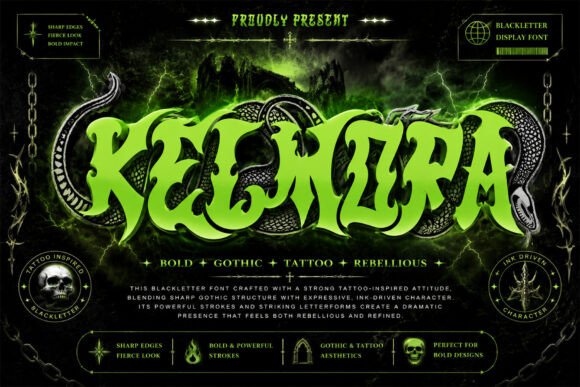
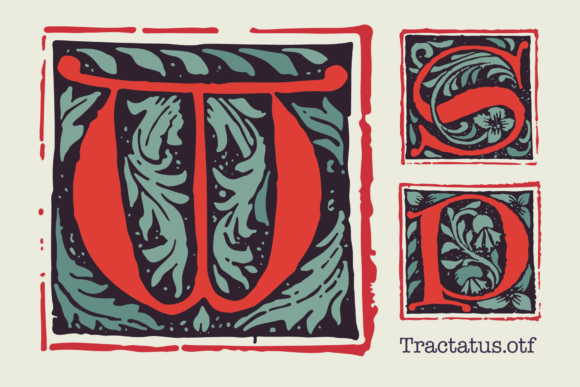
At first glance, Tractatus feels familiar, yet distinct. It draws heavily from the Blackletter tradition, often associated with the Gutenberg Bible and medieval scriptoriums, but it has been refined for the modern eye. The letterforms are characterized by their vertical stress and dense texture. You will notice the sharp, angular strokes—often called broken strokes—that give the font its gothic personality. However, unlike some rougher, more chaotic blackletter fonts, Tractatus maintains a level of precision and elegance that keeps it legible in the right contexts.
The visual appeal lies in the contrast between the thick and thin lines. The heavy verticals provide a sense of stability and authority, while the delicate hairlines and intricate loops add a touch of femininity and artistry. It is a typeface that feels "premium" right out of the box. It avoids the clutter of overly distressed fonts, offering a clean but textured look. This makes it an exceptional creative font for projects that need to feel expensive, established, or deeply rooted in history.
Where Tractatus Shines: From Branding to Editorial
Understanding where to use a display font like Tractatus is just as important as the font itself. Because of its dense structure and ornamental nature, it is not a body text font. You wouldn't use it for a paragraph in a blog post. Instead, it excels as a display font used for headlines, logos, and short, impactful statements.
For brand identity, Tractatus is a powerhouse. It is particularly effective for brands that want to convey tradition, craftsmanship, or exclusivity. Think about a high-end whiskey distillery, a bespoke tailor, a blacksmith, or a luxury jewelry brand. When used in logo design, the font instantly tells the customer that the brand values history and quality. It creates an immediate emotional connection before the customer even reads the word.
In editorial design, this font transforms a standard magazine cover or book jacket into a piece of art. It works beautifully for fantasy novels, historical fiction, or music album covers, especially within heavy metal, classical, or folk genres. The intricate details catch the light in print, creating a tactile feel even on a flat page.
Digital and Commercial Applications
While Tractatus has roots in print, it translates surprisingly well to digital environments when used correctly. In web design, it serves as a striking hero text. A large, bold heading in Tractatus can set the tone for an entire website, particularly for event pages, landing pages for creative agencies, or artist portfolios.
For packaging design, the font is a secret weapon. It adds a layer of perceived value to the product. Imagine a coffee bag or a hand-made soap label featuring Tractatus. It suggests that the product inside is artisanal and carefully curated. Similarly, for social media graphics, using this font for announcements or quote cards can stop the scroll. It breaks the monotony of modern sans-serif fonts that dominate the feed, offering a visual texture that feels refreshing.
Strategic Font Pairing: Balancing the Gothic
One of the most critical aspects of using a gothic font like Tractatus is pairing it with the right secondary typeface. Because Tractatus is so stylistic and dense, it requires a partner that is calm, clean, and highly legible.
A sans serif font is almost always the best choice here. Look for geometric or grotesque sans-serifs with simple structures. These clean lines provide a necessary "resting place" for the eyes after viewing the ornate details of Tractatus. The contrast between the medieval main heading and the modern subheading or body text creates a dynamic visual hierarchy.
You can also experiment with a serif font for body text, provided it is a transitional or modern serif with open counters and clear shapes. Avoid pairing Tractatus with other decorative fonts, script fonts, or handwritten fonts. Doing so will result in a cluttered design where the elements fight for attention. The goal is to let Tractatus be the star of the show while the supporting cast does the heavy lifting of readability.
Practical Considerations for Designers
Before incorporating Tractatus into your next project, there are a few practical checks to perform. As a premium font, it is likely distributed with a specific license. Always verify that your usage—whether personal or commercial—is covered by the license you purchased. If you are a small business owner or a marketer, ensuring you have the rights for commercial use is non-negotiable to avoid legal headaches down the road.
Next, evaluate the specific styles included in the font family. Does it come with alternates or ligatures? Many high-quality gothic fonts include stylistic sets that allow you to swap out specific letters to create a more customized look. For example, you might want a swash on a capital 'T' or a unique connection between an 's' and a 't'. Exploring these features can elevate your logo design from standard to bespoke.
Readability is your primary constraint. Always test Tractatus at the size it will be viewed. A font that looks like a beautiful blob of ink at 12px might look magnificent at 60px. If you are using it for a poster or signage, step back and check if the word is legible from a distance. If the letters merge into one another, you may need to add some tracking (letter spacing) to give the forms room to breathe.
Creating Unforgettable Designs
Ultimately, typography is about storytelling. Tractatus tells a story of history, tradition, and intricate beauty. It is a typeface that demands respect and attention to detail. By using it strategically for headlines, logos, and branding materials, you can tap into a deep well of visual emotion.
Whether you are a content creator looking to brand your YouTube channel, a publisher designing a book cover, or a designer crafting a visual identity for a client, Tractatus offers a unique aesthetic that modern fonts often lack. It reminds us that design is cyclical, and the elegance of the past can be the perfect ingredient to make a modern project stand out. Embrace the character of Tractatus, pair it wisely, and watch it transform your work into something truly unforgettable.