Retro Hungry: A Display Font for Bold, Groovy Design
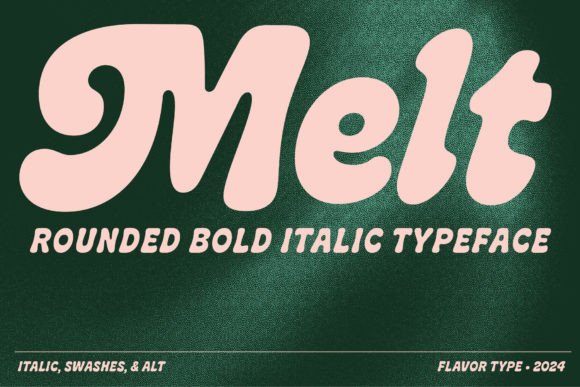
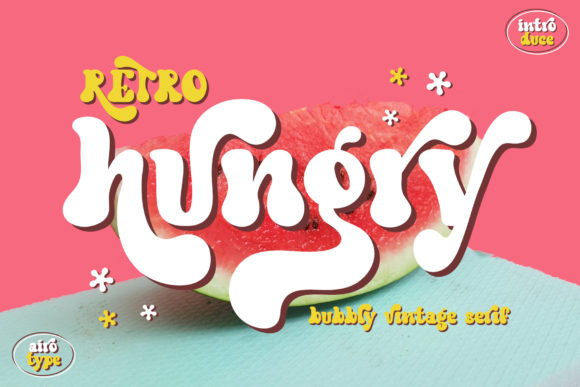
There's a certain energy that comes from the visual culture of the late 1960s and 1970s—a sense of optimism, movement, and tactile warmth. Retro Hungry is a premium font that captures this feeling directly. It’s a display font with a distinct personality: think rounded terminals, a slight bounce in its baseline, and letterforms that feel both organic and structured. It doesn't just replicate the past; it filters a groovy aesthetic through a clean, modern lens, making it surprisingly versatile for contemporary projects.
The Character Behind the Curves
What makes Retro Hungry stand out in a sea of typefaces? Its visual character is a blend of softness and confidence. The letter shapes have a friendly, approachable quality, avoiding the harsh geometry of some sans serif font families. Yet, it maintains a strong presence, ensuring it commands attention in headlines and logos. This isn't a script font or a handwritten font; it's a carefully crafted typeface with a consistent, retro-inspired rhythm. The overall appeal lies in its ability to feel nostalgic without being kitschy, and stylish without being inaccessible.
Where Retro Hungry Truly Shines
Understanding where a font excels is key to using it effectively. Retro Hungry thrives in contexts where personality and memorability are paramount. It’s a natural fit for logo design, especially for brands in food and beverage, boutique retail, music, or any service aiming for a warm, authentic vibe. In packaging design, it can make products pop on a crowded shelf, evoking a sense of handcrafted quality or playful indulgence.
For editorial design, consider it for magazine headlines, chapter titles, or pull quotes that need to inject energy. It translates well to web design for hero section headings or stylized navigation elements, provided the surrounding body copy uses a highly legible serif font or sans serif font. Social media graphics are another sweet spot—the font’s distinctive look helps create thumb-stopping posts for announcements, quotes, or promotional content. Beyond digital, it’s excellent for creative font applications like wedding invitations, event posters, apparel, and sticker designs, where its PUA encoding allows easy access to decorative swashes and alternates for a custom look.
Making It Work: Practical Guidance for Designers and Creators
Choosing any commercial font is a decision that impacts your brand identity. With Retro Hungry, the first step is evaluating the project's voice. Is your brand or project aiming for a friendly, energetic, and slightly retro feel? If yes, this font has strong potential. If the goal is ultra-minimalist or corporate seriousness, it may not be the right tool.
Next, consider font pairing. A bold display font like this needs balance. Pair it with a neutral, clean sans serif font for body text to ensure readability. For a more classic contrast, a simple, old-style serif font can work beautifully. Avoid pairing it with other highly decorative fonts, as this will create visual chaos. Always test your pairings at various sizes and in context—mock up a business card, a website header, and a social media post to see how the relationship holds up.
Take time to review all the included styles and glyphs. The value of a premium font often lies in its extras. Accessing swashes, alternate characters, and ligatures (easily done with its PUA encoding) can elevate a simple wordmark into a unique piece of art. This is particularly useful for crafting projects or creating a standout wedding invitation suite.
Finally, always double-check the licensing. For any commercial use—from a client’s logo to products for sale—ensure you have the correct license. This professional step protects you and respects the work of the type designer.
A Tool for Memorable Communication
Retro Hungry is more than just a set of letters; it's a tool for injecting personality into your work. It influences visual hierarchy by naturally drawing the eye, making it ideal for headlines that need to lead the viewer’s journey. Its consistent style aids in building brand recognition and a cohesive brand identity across multiple touchpoints, from a website to printed materials.
When used thoughtfully, it enhances professionalism by showing deliberate choice in your design assets. It engages audiences by evoking a specific, positive emotional response—nostalgia, fun, warmth. It’s a creative font that, when paired correctly and used in the right context, can make your designs feel both fresh and timeless.
Think of it as a strategic addition to your typographic toolkit. Not every project calls for this voice, but when it does, Retro Hungry delivers a distinct and groovy impact that standard fonts simply can't match. It’s a reminder that great modern typography is about finding the right personality for the message.