Forrest: A Serif Font for Modern Luxury and Timeless Branding
More Than Just Letters on a Page
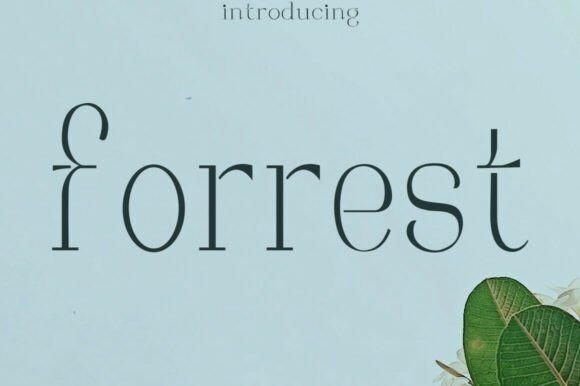
When you’re building a brand, every detail communicates something. The words you choose are crucial, but the way those words look—their shape, weight, and style—forms an immediate, often subconscious, impression. This is where a typeface like Forrest enters the conversation. It’s not just a collection of characters; it’s a carefully crafted tool designed to convey a specific feeling. Forrest is a serif font that feels both familiar and fresh, walking the line between classic elegance and contemporary clean lines. It possesses a quiet confidence, with strong, well-defined letterforms and refined serif details that add a touch of sophistication without feeling stuffy or outdated.
Think of it as the typographic equivalent of a beautifully tailored blazer. It’s structured, professional, and appropriate for high-stakes situations, yet it has a modern cut that keeps it from looking like a relic. The overall impression is one of luxury, artistry, and exclusivity. This isn’t a font for everyday memos; it’s a font for projects that demand attention and respect. Its balanced proportions and graceful curves aren’t just for show—they contribute directly to its excellent readability, ensuring that your message is not only seen but also easily absorbed. For anyone serious about crafting a visual identity that stands the test of time, understanding a typeface like Forrest is a practical step.
Where Forrest Truly Shines: Real-World Applications
The true value of any design asset is measured in its application. So, where does a premium font like Forrest make the most impact? Its personality makes it exceptionally versatile across a range of high-end projects. In logo design, Forrest provides a sturdy foundation. Its strong letterforms ensure the brand name is legible at various sizes, from a website favicon to a large-format sign, while its elegant serifs add a layer of professionalism and heritage. For brand identity systems, using Forrest consistently across business cards, letterheads, and digital assets creates a cohesive and recognizable look that speaks volumes about quality.
In editorial design and publishing, Forrest is a natural fit. Imagine it as the headline font for a luxury lifestyle magazine, a cookbook cover, or the chapter titles in a beautifully bound book. Its readability holds up in shorter blocks of body text for pull quotes or introductory paragraphs, adding visual interest. For packaging design, especially in sectors like cosmetics, gourmet food, or boutique spirits, Forrest communicates the product’s premium nature instantly. It suggests craftsmanship and care, influencing how a customer perceives the product before they even try it. Beyond print, this creative font adapts well to digital spaces. Use it for hero text on a sophisticated website, for impactful social media graphics that need to stand out in a fast-scrolling feed, or for the titles in a high-end webinar presentation.
Making It Work: Practical Guidance for Your Projects
Choosing the right typeface is a practical decision, not just an aesthetic one. Before committing to Forrest for a project, evaluate its fit. Does the project’s core message align with the font’s personality of refined elegance and modern professionalism? A children’s party invitation might call for something more playful, while a law firm’s annual report is a perfect match. A key strength of Forrest is its ability to function as a powerful display font for headlines and logos while maintaining enough clarity for limited body text use. This dual capability adds significant value.
Testing is non-negotiable. Always set your actual project copy in Forrest to assess readability in context. How does it look at the size you intend to use it for your main headings? Does it remain clear when used for a shorter paragraph of text? Pay attention to letter spacing and line height. Furthermore, consider the art of font pairing. Forrest, as a serif, creates a beautiful dynamic when paired with a clean, geometric sans serif font for body text or supporting information. This contrast establishes a clear visual hierarchy, guiding the reader’s eye naturally. Avoid pairing it with another highly decorative serif font or a complex script font, which can create visual competition and reduce clarity.
Finally, consider the technical and legal aspects. Review the font’s full character set and included styles. Does it offer the weights (e.g., Regular, Bold) and the special characters (like ligatures or stylistic alternates) your project needs? And, critically, understand the licensing. If your project is for a client or for commercial use—like a product sold online or a service advertised—you must ensure you have the correct commercial font license. This protects both you and your client and is a standard part of professional practice. Forrest is more than just a typeface; it’s a strategic component in your design assets toolkit, ready to elevate projects that aim for a lasting, sophisticated impact.