Flower: A Vibrant Typeface for Joyful Design Projects
Finding a typeface that genuinely conveys warmth and playfulness can be a challenge. Many fonts claim to be fun, but they often feel generic or lack character. Flower is a different kind of creative font. It’s a colorful, friendly floral color font designed to inject a jolly, approachable feel into any project. This isn't just a set of letters; it's a design asset with a distinct personality. For designers, entrepreneurs, and creators, understanding a font like Flower means understanding how to communicate emotion and energy through typography.
Understanding the Visual Personality of Flower
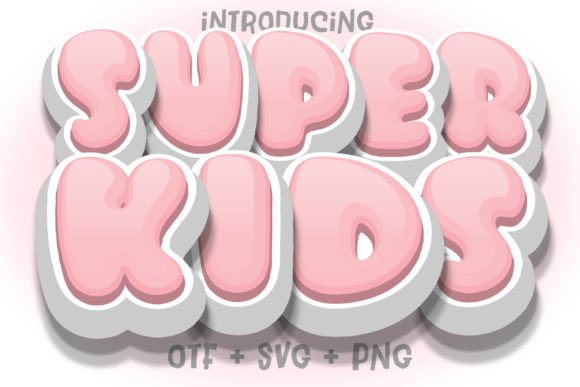
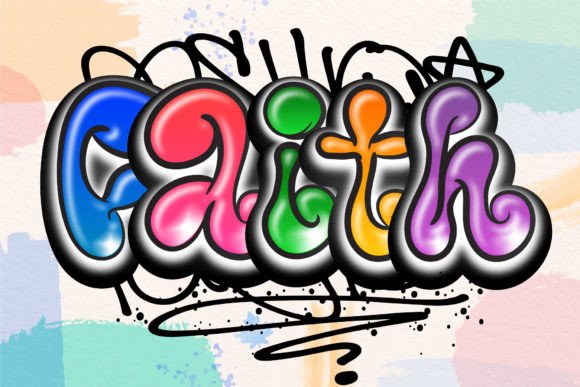
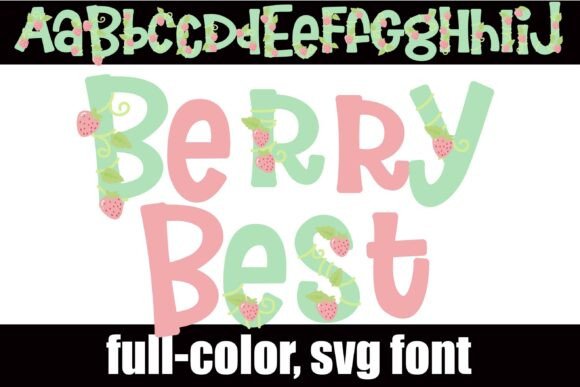
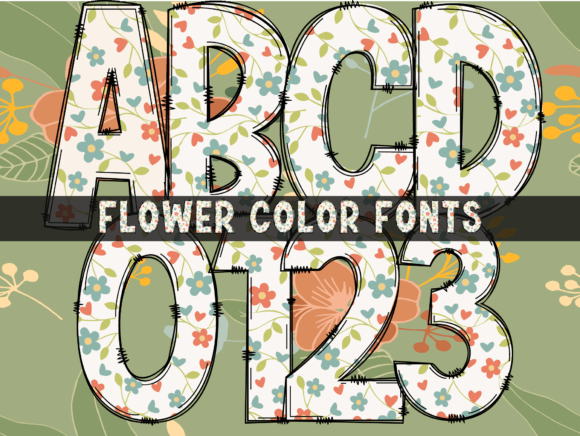
At its core, Flower is a display font built for impact, not for body copy. Its visual style is unmistakable. Each letterform is crafted with a soft, rounded structure, giving it an inherently friendly and approachable demeanor. The defining feature, of course, is its colorful, floral nature. The letters aren't just shaped like flowers; they incorporate petal-like shapes and vibrant hues directly into the design. This makes it a premium font that functions almost like a graphic element on its own. It shares some DNA with a handwritten font in its casual energy, but its structured, illustrative quality sets it apart. The overall appeal is one of unfiltered joy and creativity, making it perfect for any context that needs a touch of whimsy and positivity.
Where Flower Truly Blooms: Ideal Applications
Choosing the right font is about matching its personality to the project's goals. Flower isn't a universal workhorse like a sans serif font or a classic serif font; it's a specialist. Here’s where it excels:
Branding and Logo Design
For brands targeting a youthful, feminine, or creative audience, Flower can be a powerful choice for logo design. It’s particularly effective for businesses in sectors like children's products, boutique bakeries, florists, craft supplies, or wellness brands. The font immediately communicates a brand identity that is playful, artisanal, and full of life. When used as a primary logo font, it ensures instant recognition and sets a joyful tone.
Editorial and Publishing Design
In editorial design, Flower shines as a headline or feature title font. Imagine it gracing the cover of a summer magazine, the title of a recipe book chapter, or a pull quote in a lifestyle publication. It draws the eye and adds a layer of visual interest that a standard script font might not achieve. For packaging design, especially for limited editions, gift sets, or products with a natural or handmade feel, it can make a product leap off the shelf.
Digital Presence and Social Media
The digital space is where Flower's energy can truly engage audiences. It’s a standout choice for social media graphics, especially for announcements, quotes, and promotional posts that need to stop the scroll. On a website, it can be used sparingly for key headings or call-to-action buttons in web design to inject personality. Its colorful nature is inherently shareable, making it a smart asset for content creators and bloggers aiming to build a vibrant online community.
Personal and Commercial Crafting
For crafters and hobbyists, Flower is a dream. It’s perfect for creating custom greeting cards, party invitations, scrapbooking elements, and printable wall art. Its playful style translates beautifully to physical goods. Small business owners can use it on merchandise like tote bags, stickers, and apparel to create products that feel unique and handmade, adding significant value.
Integrating Flower into Your Design Strategy
Using a specialty font like Flower effectively requires more than just a single click. Here’s practical guidance on making it work for you.
Evaluate Project Fit: Before selecting Flower, ask yourself if the project's tone aligns with its personality. A corporate financial report? Not the best fit. A community fundraiser poster? Perfect. It’s a creative font for creative contexts.
Master Font Pairing: This is crucial. Because Flower is so expressive, it needs a grounded partner. Pair it with a clean, neutral sans serif font like Open Sans or Lato for body text. This creates a clear visual hierarchy and ensures readability. The contrast allows Flower to command attention as the headline without overwhelming the viewer.
Test Readability at Scale: Always test the font at the size it will be used. Its decorative elements are best appreciated in larger sizes. For very small text, the details might become muddy, so reserve it for headlines, logos, and display purposes where its character can be fully seen.
Review Commercial Licensing: If you're using Flower for client work, merchandise, or products for sale, you must verify the commercial font license. Ensure it covers your intended use, whether for digital products, physical goods, or large-scale distribution. Proper licensing is a non-negotiable part of professional practice.
Leverage Included Styles: Some premium fonts come with stylistic alternates, ligatures, or multiple color layers. Explore what variations Flower offers. These can provide even more customization, allowing you to tailor the font's look to your specific brand palette or design need.
Ultimately, Flower is more than just a typeface; it's a tool for emotional communication. It allows designers and creators to build brand identity systems that feel authentic, engaging, and full of character. When used thoughtfully, it doesn’t just display words—it conveys a feeling of joy, creativity, and approachable charm that can resonate deeply with an audience. In a world of serious typography, it’s a welcome burst of color.