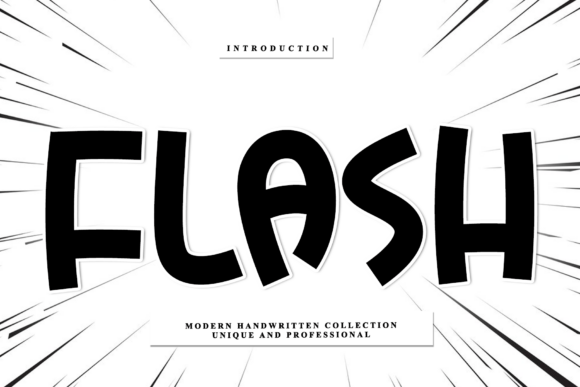
Flash: A Rhythmic Script for Artisanal Branding
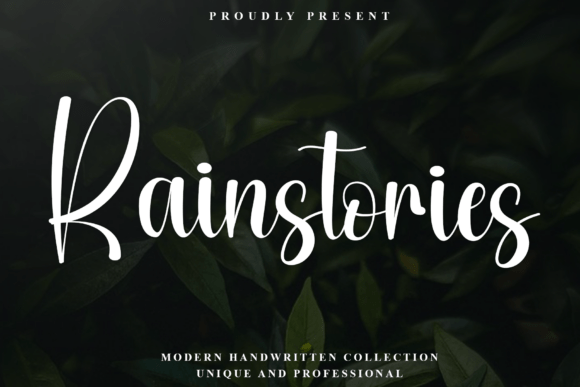
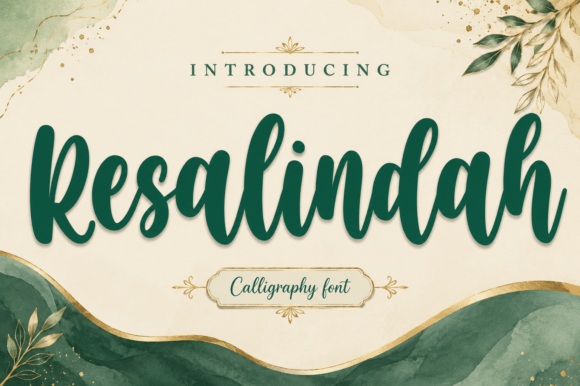
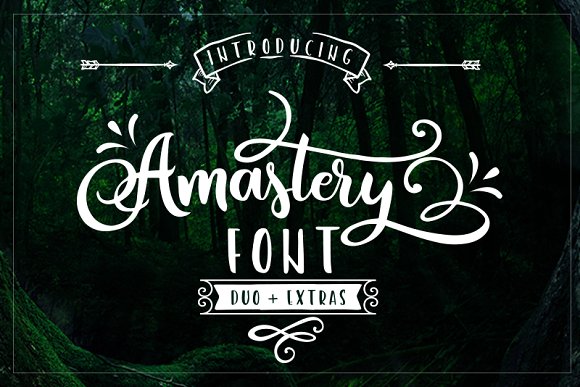
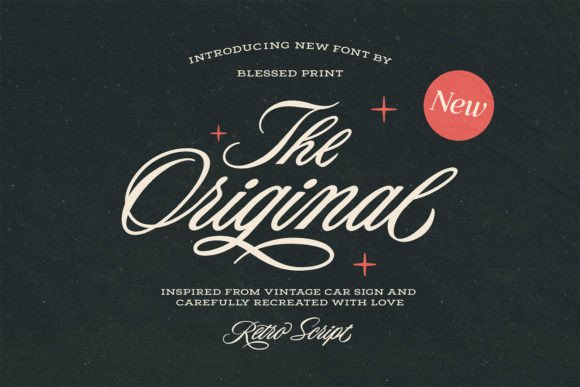
Finding a typeface that feels both personal and polished can be a real challenge. You want something with character, a voice that speaks before the words are even read. That’s where Flash comes in. It’s not just another script font; it’s a sophisticated, rhythmic lettering style that walks the line between calligraphic elegance and a warm, organic feel. Think of it as the typographic equivalent of a skilled artisan’s hand—confident, fluid, and full of personality.
What immediately catches your eye are its sweeping, looping ascenders. These aren’t just decorative flourishes; they’re the core of its identity. They create a sense of customized, artisanal artistry, giving any headline or logo a touch of bespoke craftsmanship. This font doesn’t just display words; it presents them with a certain grace and intentionality. It’s a premier choice for projects that need to convey quality, care, and a human touch, moving beyond generic designs to create a genuine connection with the audience.
Where Flash Truly Shines
Understanding a font’s personality is one thing, but knowing where to apply it is where the real value lies. Flash is a versatile display font, but its strengths are most pronounced in specific contexts. It’s a natural fit for artisanal food branding—imagine it on a label for small-batch honey, craft coffee, or homemade preserves. The font’s warmth and organic aesthetic instantly communicate the product’s handmade quality. Similarly, it elevates boutique product packaging, from luxury candles to skincare serums, adding a layer of sophistication that suggests premium ingredients and careful formulation.
Beyond physical products, Flash excels in the digital and editorial space. For upscale lifestyle marketing, it can bring a touch of elegance to social media graphics, email headers, and website banners for brands in fashion, wellness, or home décor. In creative editorial titles, it sets a mood for magazine features, blog post headers, or book chapter openers, drawing readers in with its distinctive style. Whether you’re working on logo design, packaging design, or social media graphics, Flash provides a strong foundation for a memorable brand identity.
Working With Flash: Practical Considerations
Choosing the right creative font involves more than just liking how it looks. You need to consider how it will function in your specific project. Flash is primarily a script font, which means its legibility can decrease significantly at smaller sizes or in long blocks of text. It’s best used for headlines, logos, and short, impactful phrases. For body copy, pairing it with a clean, readable sans serif font or a simple serif font creates a balanced and professional font pairing. This contrast allows Flash to make its statement without sacrificing overall readability.
Before committing, it’s wise to test how the font behaves with your specific words. Do the letter connections feel natural? Are the ascenders and descenders interfering with other design elements? Most premium font files include multiple styles—often a regular weight, a bold, and sometimes alternates or ligatures. Reviewing these included styles gives you more tools to work with and ensures consistency across your design assets. Always check the licensing for a commercial font like Flash, especially if you plan to use it for client work, merchandise, or digital products. The right license protects both you and the font creator.
Building a Cohesive Visual Language
A great typeface does more than look good; it influences how your brand is perceived. Using Flash consistently across your touchpoints—from your website to your packaging to your invoices—builds recognition and reinforces a professional image. Its rhythmic, flowing nature can guide the viewer’s eye, creating a natural visual hierarchy that highlights your most important messages. This consistency is key to building trust and making your brand feel established and thoughtful.
However, restraint is important. Overusing a distinctive font like Flash can dilute its impact and make a design feel cluttered. Use it strategically for key moments: your brand name, a major headline, or a call-to-action button. Let it be the star of the show, supported by more neutral typefaces for supporting text. This approach ensures your modern typography feels intentional and effective, enhancing audience engagement rather than distracting from your core message. When used with care, Flash becomes more than just a font—it becomes an integral part of your brand’s story, communicating quality and creativity with every letter.