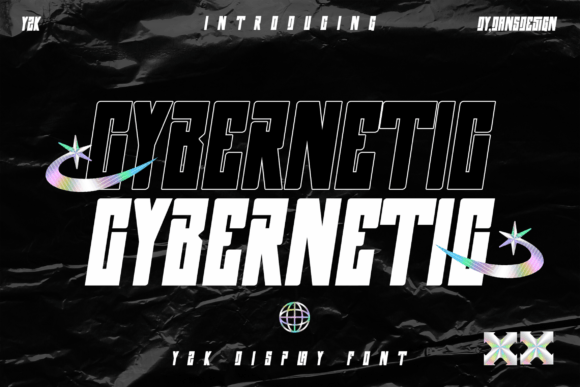
Cybernetic: The Ultimate Y2K Cyberpunk Display Font
When you are designing for a brand that needs to scream "future" without losing that gritty, industrial edge, the typography choice is everything. We have seen a massive resurgence in Y2K aesthetics recently, blending nostalgia with a forward-thinking mindset. If you are working on a project that requires high impact and a distinct personality, standard geometric sans serifs or delicate script fonts often fall flat. They lack the visual weight and the structural complexity needed to convey a truly cybernetic vibe. This is where the Cybernetic font enters the conversation, offering a specific flavor of modern typography that is difficult to ignore.
Cybernetic is not just another display font; it is a highly detailed Blackletter reimagining for the digital age. It captures the essence of gothic calligraphy but filters it through a lens of chrome, circuits, and sci-fi futurism. For designers, marketers, and entrepreneurs looking for a premium font that bridges the gap between vintage rebellion and high-tech innovation, this typeface offers a compelling solution. It provides the raw energy needed for logos, posters, and digital interfaces where standing out is the primary objective.
The Visual DNA of Cybernetic: More Than Just Blackletter
To understand why a typeface like Cybernetic works so well in specific contexts, you have to look at its construction. Traditional Blackletter fonts are known for their dense, vertical strokes and ornamental details, often associated with history, religion, or heavy metal music. Cybernetic takes those foundational elements—the sharp serifs and the dramatic contrast—and streamlines them. It retains the "slick" quality mentioned in its description, smoothing out rough edges to create a finish that feels manufactured rather than hand-scribed.
The personality of this font is assertive and unapologetic. It carries a weight that commands attention on a page or screen. When you use Cybernetic in a design, you are making a statement about power and sophistication. It works exceptionally well in large formats, such as headers or hero images, where the intricate details of the letterforms can breathe. However, because of its complexity, it functions strictly as a creative font for headlines. Trying to use a display font of this density for body text would result in a "wall of text" that is nearly impossible to read. Its strength lies in its ability to grab the viewer's eye instantly, making it a perfect candidate for logo design and branding where first impressions are paramount.
Strategic Applications: Where Cybernetic Fits Best
Choosing the right design assets for a project requires understanding the psychology of your audience. Cybernetic appeals to a specific demographic—adults aged 20 to 50 who appreciate counter-culture aesthetics, gaming, motorsports, and high-concept fashion. Here is how you can apply this typeface across various mediums to maximize its potential.
Branding and Logo Design
For entrepreneurs in the sports, tech, or entertainment industries, a logo needs to be memorable. A sans serif font can sometimes feel too safe or corporate. Cybernetic offers a solution for brands that want to appear edgy and distinct. Imagine a streetwear brand or a competitive esports team using this typeface. The sharp angles and fluid strokes suggest movement and intensity. When used for a logo, it instantly creates a brand identity that feels established and confident. It pairs well with monochromatic color schemes or neon color palettes typical of the cyberpunk genre.
Digital and Web Design
In the realm of web design and social media graphics, attention spans are short. You have a fraction of a second to stop a user from scrolling. Cybernetic is an excellent tool for this. Use it for call-to-action buttons, banner headlines, or featured post graphics. Because it is a high-contrast font, it stands out against both light and dark backgrounds, provided you maintain proper spacing. For content creators and bloggers in the tech or gaming niche, using Cybernetic for section headers can break up long blocks of text and add visual interest to the reading experience without requiring complex coding.
Editorial and Packaging Design
Print design is not dead; it has just evolved. If you are working on editorial design for a magazine cover or packaging design for a limited-edition product, Cybernetic brings a tactile, premium feel. It evokes a sense of exclusivity. Think about a sci-fi book cover or the packaging for a high-performance energy drink. The font’s aesthetic communicates that the product inside is powerful and cutting-edge. It transforms standard packaging into a collectible item, appealing to hobbyists and collectors who value visual artistry.
Mastering Font Pairing and Hierarchy
A common mistake in design is using a display font for everything. While Cybernetic is visually stunning, it requires a supporting cast to be effective. This is where font pairing becomes a critical skill. Because Cybernetic has such a strong personality, it needs to be balanced with something more neutral and legible.
The Safe Bet: Sans Serif
The most reliable partner for a complex display font like Cybernetic is a clean, geometric sans serif font. Fonts like Montserrat, Roboto, or Futura provide a clean canvas that allows the Cybernetic headers to shine without competing for attention. The contrast between the ornate headers and the clean body text creates a clear visual hierarchy, guiding the reader’s eye naturally from the headline to the content.
The Creative Mix: Monospace
If you want to lean fully into the cyberpunk and tech aesthetic, consider pairing Cybernetic with a monospace font. Monospace fonts are reminiscent of coding terminals and early computing. When you pair the gothic, futuristic flair of Cybernetic with the technical rigidity of a monospace font, you create a narrative of "high-tech meets high-style." This is particularly effective for web design projects related to gaming, software, or digital art portfolios.
Avoid pairing Cybernetic with other decorative fonts, such as an ornate script font or a handwritten font. Mixing two highly stylized typefaces usually results in visual clutter and confusion. The goal of modern typography is clarity and impact; let Cybernetic be the star of the show and use simpler fonts to support the message.
Practical Considerations for Designers
Before integrating any commercial font into your workflow, there are practical steps you should take to ensure a smooth design process.
- Reviewing Styles and Weights: Check if the font family includes variations. While Cybernetic is a display font, having access to different weights (if available) can help you create subtle hierarchies within your headlines.
- Readability Testing: Always test your typography at the size it will be viewed. A font that looks great on a desktop monitor might lose detail on a mobile screen. Ensure the kerning (spacing between letters) is adjusted so the letters don't collide, which can happen with complex Blackletter styles.
- Licensing: If you are using this for a client project, merchandise, or software, you must verify the commercial license. Most premium fonts have specific tiers for desktop use, web use (via @font-face), and app integration. Ensure your usage rights cover the scope of the project to avoid legal issues down the line.
Ultimately, Cybernetic is more than just a font file; it is a design asset that helps bridge the gap between the past and the future. Whether you are a small business owner crafting a new brand identity or a designer working on the next big poster campaign, this typeface provides the tools to create something that is visually arresting and stylistically relevant. By applying it thoughtfully and pairing it wisely, you can leverage its unique character to engage your audience and elevate your creative work.